
I installed Phantom last year after a messy trial with wallet apps that promised the moon. Whoa! At first I was skeptical; crypto UIs often feel like bad DMV forms. But the flow was clean and quick, and I connected to Serum and Raydium in under a minute. My instinct said this was different — something lighter, snappier, with fewer permission prompts and less weirdness than others I’d tried.
Here’s the thing. Performance matters more on Solana, since blocks handle small trades and microinteractions quickly. Phantom feels native in the browser; transactions pop and confirmations return quickly, and that’s meaningful. I used it on Chrome and Brave without changing settings, and it behaved the same. That consistency reduced friction for me, especially when juggling multiple DEX tabs and wallet prompts late at night.
Seriously? Initially I thought wallet security would be the tradeoff for that convenience. Actually, wait—let me rephrase that: I assumed a simpler UI meant fewer security controls. On one hand Phantom keeps keys locally and uses a seed phrase; on the other hand its permission model stays user-friendly. So I tested token approvals, network switching, and web app requests, jotting notes as I went.
Hmm… My instinct said the extension was less noisy, but instincts can mislead sometimes. The dev tools show transaction logs and clear metadata, which I like as an engineer. I’ll be honest, I’m biased toward minimal UIs, so the tasteful design wins me over quickly. But one thing bugs me: dApps sometimes prompt to auto-connect with no simple blacklist option.
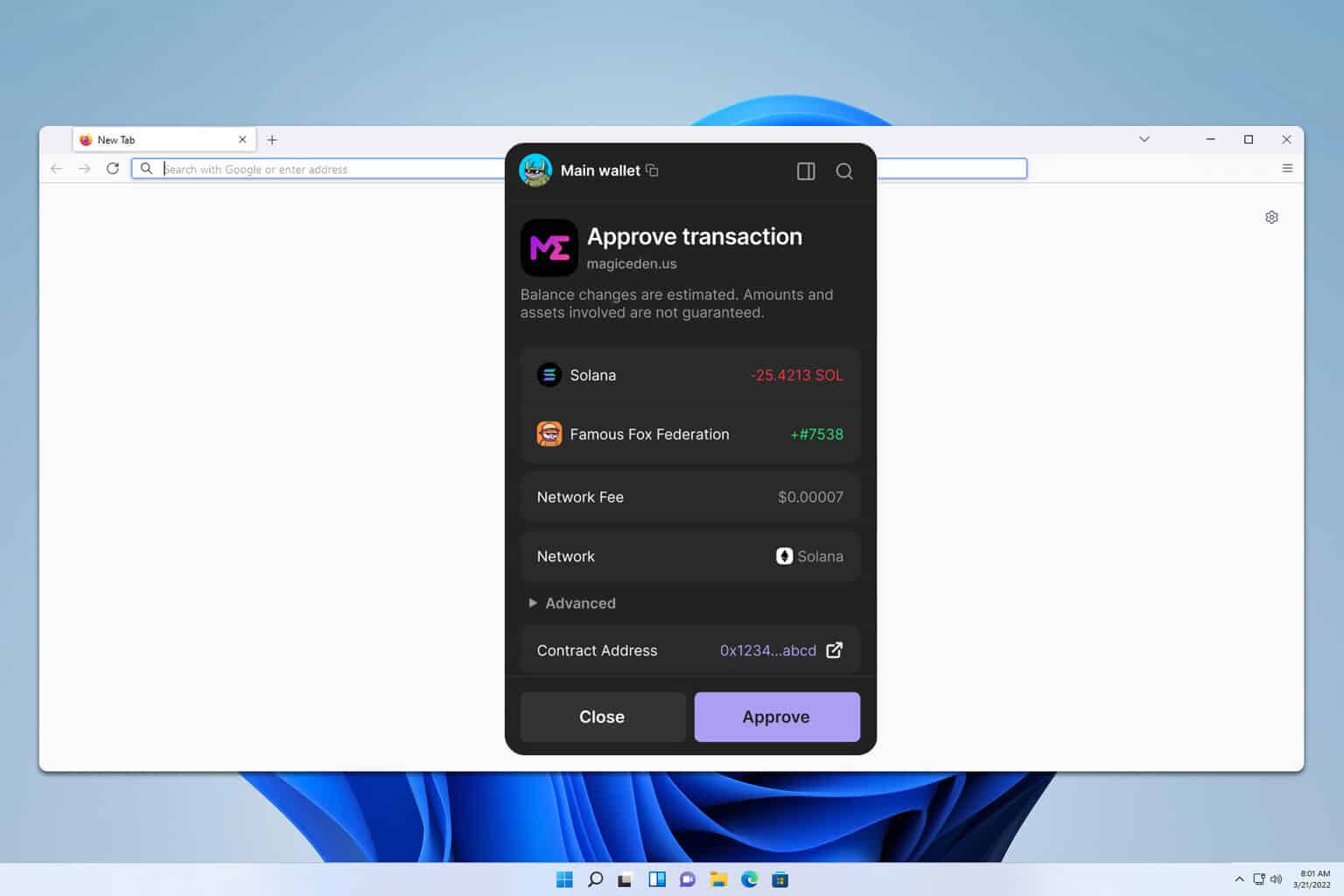
One night I locked up a small NFT drop, and Phantom’s confirmation screen saved me from approving twice by accident. That sounds small, but for mint nights this stuff matters. Wow! When gas spikes or congestion hits, you want clear UX that doesn’t nudge you into mistakes. So I keep it as my daily driver on Solana, though I still carry a hardware wallet for the largest holdings.
How to get Phantom and what to watch for
Okay, so check this out—if you want the extension, grab it from the right place. Seriously, don’t download from shady mirrors. I trust official sources; for quick reference you can find the phantom wallet download extension here. Verify the extension publisher, read the permissions, and back up your seed phrase offline. If anything feels off, close the browser and re-check the source — trust is non-negotiable.
Practical tips: lock your wallet when not in use. Enable the auto-lock timer and use a strong password; browser profiles can get messy when you travel. Consider pairing Phantom with a Ledger if you’re holding substantial funds. I pair mine most months, especially before large swaps or transfers, and it reduces sleep-time worry. Also clear connected sites occasionally — you might be surprised how many permissions linger.
What bugs me: UI updates sometimes shuffle icons and I have to hunt for a setting. Oh, and by the way… transaction history is basic. Transaction history is basic, so if you want deep auditing you’ll need external explorers. But for day-to-day trading and NFTs it’s smooth. I’m not 100% sure it’s the final word on wallets, but it’s a strong pick for Solana users.
Okay, a few more real-world notes: the signing UX is clear, but read each line — don’t auto-approve. Somethin’ about confirming totals and recipient addresses early saves headaches later. If you’re a dev, enable dev tools and inspect signatures; they usually look consistent. For collectors, Phantom integrates NFT previews nicely, though rarer metadata can still be wonky. And if you ever lose the seed phrase, well, you know the drill — no one can recover it for you.
FAQ
Is Phantom safe to use as my daily wallet?
Yes for normal daily use: it stores keys locally and offers a sensible permission model. However, for very large holdings, combine Phantom with a hardware wallet like Ledger to sign big transactions. I’m biased toward layered security — convenience plus a cold key for large transfers is my routine.
Can I use Phantom on multiple browsers?
Absolutely. It works on Chrome, Brave, and other Chromium-based browsers, and behavior is consistent across them. Just remember each browser profile has its own extension state, so sync your seed phrase and settings the way you mean to.
Wrapping up: this is not a sales pitch, just my messy, real experience. Initially I thought I’d keep switching wallets every month, but Phantom stuck — mostly because it blends fast Solana performance with sensible UX and reasonable security defaults. There are niggles and improvements I’d like, and I’m not claiming perfection. Still, if you’re in the Solana lane and want something that gets out of your way while keeping you safe enough for daily use, Phantom is worth trying.